
Grounding Techniques

Grounding techniques are simple yet powerful ways to help us to manage strong feelings in the immediate term. They allow us to connect to the present moment and takes us away from the stories in our mind that often fuel anxiety.
Just as we equip our children with life skills like swimming or riding a bike, grounding techniques are a skill for their emotional wellbeing. These skills will not only assist them through their youth but provide a strong foundation of emotional resilience they can draw on throughout their lives. Grounding techniques are useful for settling ourselves when we’re feeling overwhelmed or have strong emotions.
When we practice grounding techniques, we can connect to the present through our body and senses, which can keep ourselves calm. These techniques help children and teens when they are anxious or hypoaroused and outside of their ‘Window of Tolerance’. If children or teens find themselves feeling stuck with strong feelings, they can use grounding techniques that are simple but powerful and only take a few minutes. These all help to feel anchored in the present and restore balance in body and mind.
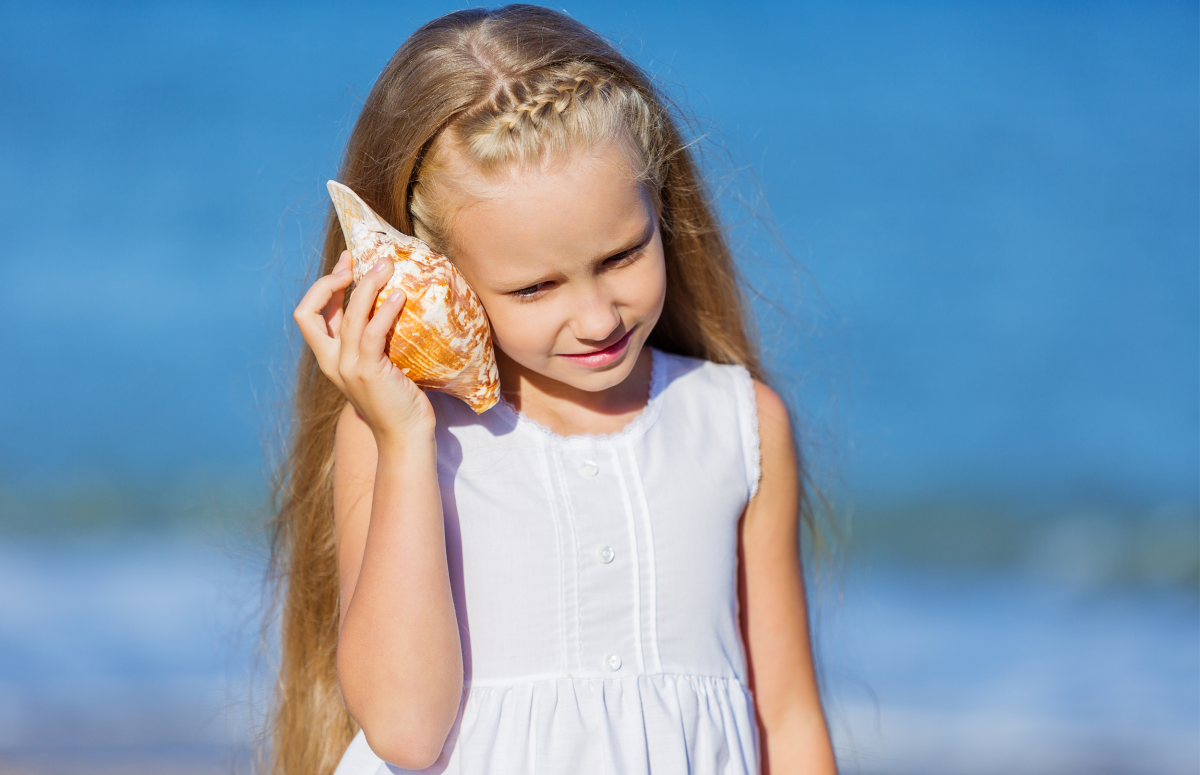
Incorporating Five Senses
Visual Techniques: We can engage children’s vision with grounding exercises honing in on colours and objects. Think of it as a playful game. Ask your child to identify five items in their surroundings, detailing their colours, patterns and anything else they notice about the object. Go into lots of depth. This focus on visual elements not only roots them in the present moment but also sharpens their focus. It helps your child tune into fine details and appreciate the little things.
Auditory Techniques: Incorporating sounds into grounding exercises is another way to help kids manage anxiety and increase focus.Let’s begin a new auditory adventure by transforming our children into ‘Sound Explorers’. Encourage them to close their eyes and focus on their hearing, creating a mental map of the soundscape around them. It could be the harmonious chirping of birds singing their morning songs, the rhythmic hum of cars passing by on a nearby street, or the soft, muted footsteps echoing from an upstairs room.
By drawing attention to these various, often overlooked, sounds, we help children cultivate a sense of calm. This process of active listening not only shifts their attention from overwhelming thoughts but also firmly grounds them in the present moment. It’s a bit like tuning into their favourite song, allowing the melody to wash over them and ease their mind. Indeed, the world around us is brimming with sounds that can help anchor our children in the ‘here and now’.
Tactile Techniques: Tactile grounding exercises, connecting with the texture of objects or how our body feels, can offer a soothing refuge for children navigating negative feelings. Invite your child to explore the varied textures surrounding them. Perhaps the soft, comforting embrace of their favourite blanket, or the cool, smooth surface of a collected stone.
Let’s go a bit further. Encourage your child to close their eyes and gently place their right hand on their left shoulder, applying a firm pressure. Then, guide them to slowly move their hand, exploring the sensation of their clothing against their skin, the slight tension in their muscles, even the rhythm of their heart rate under their fingers.
This can evolve into a “power hug” of different parts of the body, an encompassing self-embrace where they alternately squeeze different parts of their body. Starting from their left foot, progress to their right foot, then the stomach, up to the left hand, the right hand, left shoulder, and finally the right shoulder. Finish with a deep belly breath, noticing what this feels like inside the body from start to finish. Focusing on these various sensations actively interrupts the mind’s automatic anxiety response, offering an effective and immediate counter to distress. This mindful contact with our physical selves helps anchor us in the present moment, guiding our minds away from the whirling sea of worry and back to the safe harbour of the here and now.
Olfactory Techniques: Olfactory (smell based) grounding exercises are a great addition to your child’s emotional toolkit. This simple technique involves harnessing the power of scent to ground our children in the present moment.
Go outside (where the smells are richer). Encourage your child to take a moment, close their eyes and deeply inhale, engaging with the scents around them. They might pick up on the aroma of meals being prepared in nearby homes, or the delicate fragrance of a blooming flower in the garden.
Scents, like snapshots, are deeply tied to our memory and emotion centres. By focusing on these different aromas, children gain a deeper understanding and appreciation of their surroundings. It’s a bit like piecing together a jigsaw puzzle, with each scent adding to the full picture of the present moment. And in that focus, there is a calming effect, a step away from worries and a step into the ‘now’.
Gustatory Grounding Techniques for Kids: Gustatory (taste based) grounding exercises are one of the easiest ways to captivate a child’s attention and direct it towards the present.
Hand your child a small, savoury snack or a piece of their favourite fruit. Ask them to take a moment to really savour it. Encourage them to describe the burst of flavours dancing on their tongue. Is it sweet, salty, tangy, or a mix of these? Does the flavour change as they continue to chew? What’s the texture like? What memories does it conjure up for them?
As they savour and describe, your child’s worries take a backseat, and they find themselves firmly grounded in the present moment. A moment that is full of taste and free from stress.
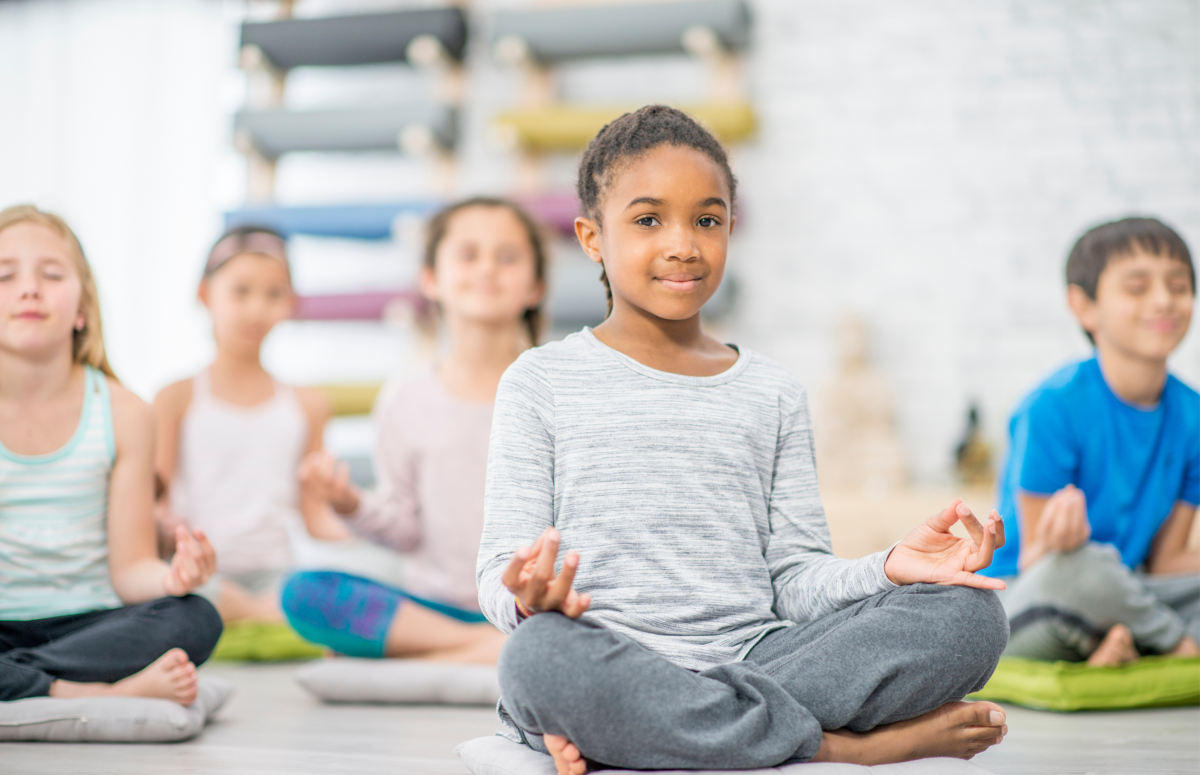
Helping With Anxiety And Stress
Grounding exercises have several benefits for children experiencing anxiety and stress. These exercises work by:
- Engaging the senses: Grounding exercises help children focus on their senses, such as sight, touch, smell, and hearing. By concentrating on sensory experiences instead of anxious thoughts, children can calm down more quickly and gain an appreciation for the little details in the environment around them. In other words, they can get “out of their heads” and into their real lives.
- Interrupting thought patterns: Anxiety often stems from repetitive negative thoughts. Grounding exercises give kids a mental break by interrupting these thought patterns and redirecting their focus to something tangible.
- Building confidence: As children become proficient in using grounding exercises to manage anxiety and stress, they will gain confidence in their ability to cope with challenging situations. Ensure that they understand the purpose behind each exercise and encourage them to practise regularly, so they become skilled in managing their emotions. Incorporating grounding exercises in their daily routine will contribute to their overall mental health and well-being.
Grounding Activities
Five Senses Scavengers Hunt
In this technique, children are intentionally taking in their surroundings using their senses. Create a scavenger hunt for your child based on their five senses: sight, sound, touch, taste, and smell. This helps them practise mindfulness and become more aware of their environment. Notice:
- 5 things you can see (inside room and outside room)
- 4 things you can feel (using your hands or feet)
- 3 things you can hear (inside and outside the room)
- 2 things you can smell (have some herbs or oils or similar ready)
- 1 thing you can taste (have a mint or piece of fruit ready).
Ask your child to identify objects that start with each letter of the alphabet becomes a captivating adventure. This can be done either indoors or outdoors, encouraging your child to keenly observe their surroundings. Engage in conversations about the discovered objects, fostering language development and reinforcing the connection between mindfulness and everyday experiences.
Counting Colours and Shapes
An easy way to ground your child’s attention is through a ‘Colour and Shape Detective’ game. Ask them to count the variety of colours and shapes in their immediate surroundings. Perhaps they’re in their room among vivid toys and diverse shapes, or outside amongst a spectrum of flowers and plants. Each colour they notice, each shape they identify, pulls their focus from internal concerns to the vibrant world around them. Though seemingly simple, this game serves a vital purpose: grounding your child in the present moment.
Belly Breathe
Teach your child deep breathing exercises to help them stay calm and focused. Slow, deep belly breaths tell the brain: “I am safe”. They stimulate the body’s parasympathetic nervous system, also known as “rest and digest”. Have them place one hand on their belly and the other on their chest and take slow, deep breaths. This establishes a vital connection between the mind and body.
Finger Breathing
In this exercise, your child traces the outline of their hand with their finger while coordinating their breaths. They’ll inhale while tracing up and exhale while tracing down, helping them develop deep breathing and focus skills. Ensure each in-breath and out-breath lasts around 5 seconds.
Mindful Stretching
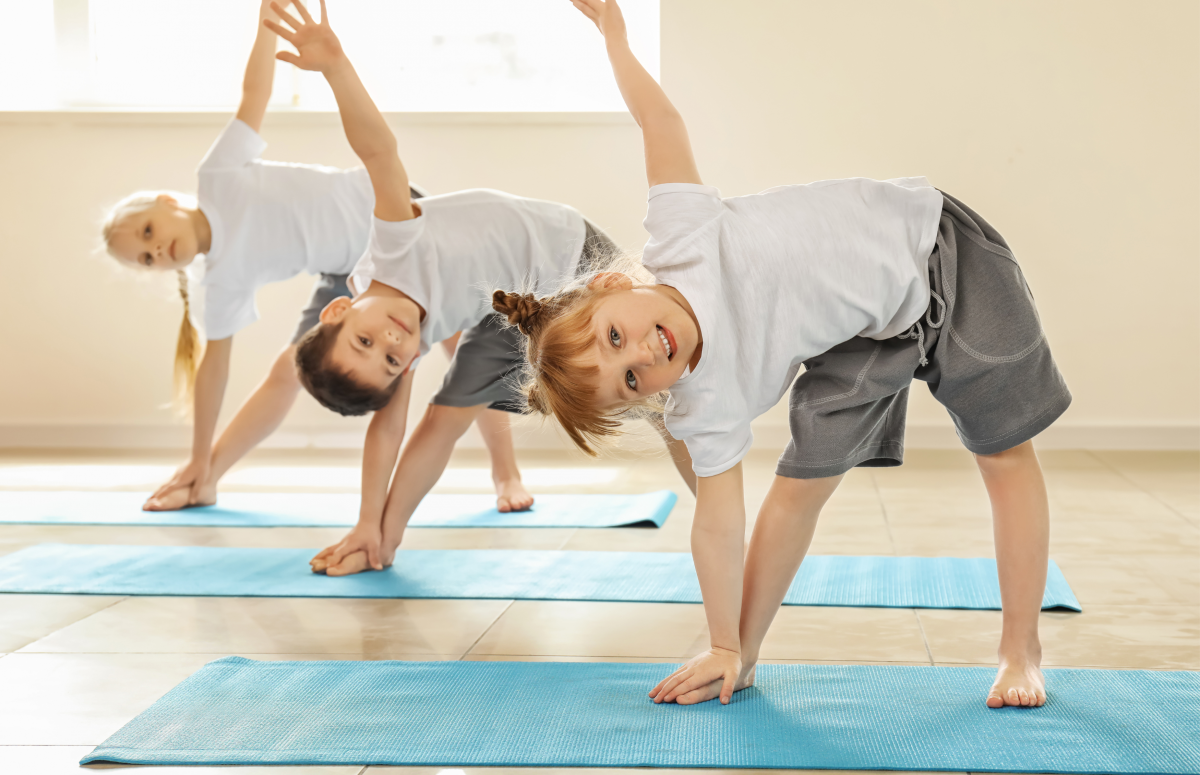
Introduce simple stretching exercises to your child, like reaching for the sky, touching their toes, or shaking out their limbs. Encourage them to focus on the sensations in their body during these stretches, fostering a mindful connection between movement and awareness. This practice not only promotes flexibility and physical well-being but also instills a foundation for incorporating mindfulness into daily routines.
Exploring Outdoors: Nature Walks
Nature walks offer an easy way to introduce older children to grounding exercises. This simple technique combines the calming effects of nature with the practice of mindfulness, providing a double dose of emotional grounding. Imagine guiding your child through the rustling trees of a nearby park, the textured terrain under their feet, the changing canvas of the sky above. Each step they take, each breath of fresh air they inhale, brings them closer to the natural world and further from their worries.
Cloud Watching
Cloud watching is a relaxing activity that helps your child practise mindfulness and encourages creative thinking. Lie down together outside and ask them to describe the shapes, colours, and movement of the clouds they see. “This one looks like a sea-lion!”. “That one just turned into a butterfly!”
Object Identification
Ask your child to focus on a specific object in their surroundings, such as a leaf or a pebble. Have them describe the object in detail, including its texture, shape, and color. This exercise enhances their observational skills, strengthening their ability to notice and appreciate the intricacies of the world around them. Engage in discussions about the unique qualities of each object, emphasizing the importance of mindful awareness in enriching their perception of the environment.
Quiet Time Visualization
Ask your child to close their eyes and visualise a peaceful place, such as a beach or a forest. This activity promotes relaxation and, at the same time, encourages their imagination.
Water Play
Water play can be a soothing and grounding activity for your child. Allow them to splash in a puddle, play in a sandpit or run their fingers through water, focusing on the sensations it provides. This activity isn’t just for younger children! Teenagers love playing in water too.
Yoga for Kids
Introduce your child to simple yoga poses, such as the tree pose or the downward-facing dog, to help them develop mindfulness and body awareness. Regular yoga practice can improve their focus, balance, and flexibility, contributing to overall well-being. Share stories or anecdotes about how yoga has positively impacted your own sense of mindfulness and balance. Encourage your child to share their experiences with these poses, fostering a sense of accomplishment and self-discovery.
Rainbow Breathing
This exercise associates different colors with mindful breathing, fostering a sense of calm and focus. Instruct your child to inhale deeply while visualizing the colors of a rainbow (red, orange, yellow, green, blue, indigo, violet). Exhale slowly, imagining stress leaving with each breath. Share your experiences with using this technique and how it has helped you manage stress. Open a dialogue about the individual associations they make with each color, promoting self-awareness and introspection.
Progressive Muscle Relaxation
(PMR) is an effective technique that involves sequentially tensing and relaxing different muscle groups. This method not only helps your child become more aware of their body, but it also enables them to release physical tension, leading to a calmer, more grounded state of mind. It can be a particularly helpful tool for children who have experienced a traumatic event or are very nervous about an upcoming event. Here’s a simple guide on how to practice PMR with your child:
- Begin by finding a quiet, comfortable space where your child can sit or lie down without distractions.
- Ask your child to close their eyes and take a few deep breaths, setting a calm and focused mood.
- Start with the muscles in their toes. Guide your child to tighten (or ‘squeeze’) these muscles as hard as they can, holding for about five seconds.
- Next, instruct your child to abruptly release these muscles, letting all the tension flow out and away.
- Gradually move upwards through the body – the legs, the stomach, the hands, the arms, the shoulders, the neck, and finally the face – repeating the process of tensing and releasing.
Mandala Coloring
Coloring mandalas promotes mindfulness and concentration, allowing children to express creativity while calming their minds. Provide a mandala coloring sheet and coloring tools, instructing the child to color one section at a time, paying attention to the colors chosen and the movement of their hand. Encourage them to share their artwork and the emotions behind the color choices. This sharing process helps them verbalize their feelings and promotes a sense of pride in their creative accomplishments.
Bubble Breaths
Blow soap bubbles together, and as they float away, instruct your child to take a deep breath in, observing the bubbles forming. Then, release a slow breath out as the bubbles float away. Relate this experience to the concept of letting go of worries with each exhale. Discuss other situations where they can use this calming breath technique. Encourage them to share their feelings after the bubble breaths, creating a safe space for emotional expression.
Mindful Movement
The "Mindful Movement" technique is a deliberate and calming exercise tailored for children to enhance awareness and presence. Encourage your child to participate in unhurried, intentional movements, whether it's gentle stretching, rolling a stress ball, or tracing patterns with their fingertips. Emphasize the importance of focusing on the sensations accompanying each movement, fostering a connection between body and mind. Guide them through the process, highlighting the soothing impact of deliberate actions on their overall well-being.